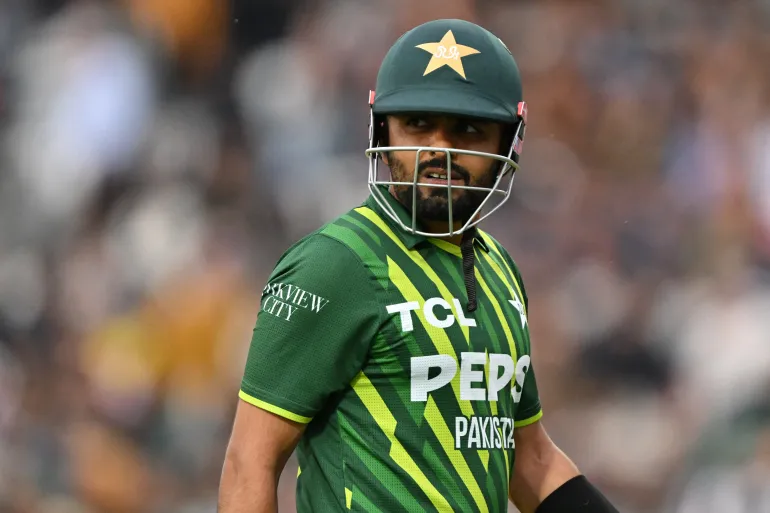
Pakistan cricket, once known for its unpredictable brilliance and unmatched talent, is currently facing a period of unprecedented turmoil. With poor results on the field, a revolving door captaincy policy, and no ICC title in seven years, the once-mighty cricketing nation finds itself in a downward spiral. The recent first-ever Test series loss to Bangladesh has only compounded the woes, leaving fans and experts alike questioning what has gone wrong with Pakistan cricket.
The Decline in Performance
The decline in Pakistan’s cricketing fortunes has been gradual but unmistakable. Once a force to be reckoned with in all formats of the game, Pakistan has struggled to maintain consistency, particularly in Test cricket. The historic loss to Bangladesh marks a new low for the team, signaling that the problems are more deep-rooted than a mere slump in form.
In One Day Internationals (ODIs) and Twenty20 (T20) formats, Pakistan’s performances have also been lackluster. The team’s inability to secure an ICC title since the 2017 Champions Trophy win is a testament to their struggles. With a rich history of producing world-class players and memorable victories, Pakistan’s recent track record has been disappointing, leading to frustration among fans and criticism from cricketing pundits.
Revolving Door Captaincy Policy
One of the key issues plaguing Pakistan cricket is the instability in leadership. The Pakistan Cricket Board (PCB) has adopted a revolving door captaincy policy, with multiple players being handed the reins in a short span of time. This lack of continuity at the top has led to confusion and inconsistency in the team’s performance.
Babar Azam, who is widely regarded as one of the best batsmen in the world, has faced immense pressure as captain across all formats. However, the constant changes in leadership roles and team selection have made it difficult for him to build a cohesive and winning unit. The absence of a clear and consistent vision from the PCB has further exacerbated the situation, leaving players uncertain of their roles and responsibilities.
Lack of Strategic Planning
Pakistan cricket’s struggles can also be attributed to a lack of strategic planning and long-term vision. The PCB has been criticized for its reactive approach, often making hasty decisions in response to immediate setbacks rather than focusing on building a sustainable future for the team.
The domestic cricket structure in Pakistan, which is crucial for nurturing young talent, has also been a point of contention. Frequent changes in the format and structure of domestic tournaments have hindered the development of players, leading to a shortage of quality cricketers ready to step up to the international stage.
Moreover, the selection policies have often been inconsistent, with players being dropped or recalled without clear justification. This has created an environment of uncertainty and insecurity within the team, preventing players from performing at their best.
No ICC Title in Seven Years
The drought of ICC titles over the past seven years has been particularly concerning for a nation that prides itself on its cricketing prowess. While Pakistan has had moments of brilliance, such as their T20 World Cup win in 2009 and the Champions Trophy victory in 2017, they have failed to capitalize on these successes and build a dominant team.
The lack of success in ICC tournaments has raised questions about the team’s ability to perform under pressure and deliver on the big stage. The constant changes in team composition and strategy have not helped, as the players have struggled to gel together as a unit when it matters most.
The Way Forward: What Needs to Change
For Pakistan cricket to return to its former glory, several key changes are necessary. First and foremost, there needs to be stability in leadership. The PCB must commit to a long-term captain and provide them with the support and autonomy needed to build a winning team.
Investing in the domestic cricket infrastructure is also crucial. A stable and well-organized domestic setup will help identify and develop young talent, ensuring a steady pipeline of players ready to make the leap to international cricket.
Consistency in selection policies and a clear, long-term strategic vision from the PCB will also be essential in restoring confidence among players and fans alike. By focusing on building a cohesive team with a strong sense of purpose, Pakistan cricket can begin to turn the tide and reclaim its place among the elite in world cricket.
Conclusion: A Nation’s Pride in Peril
Pakistan cricket is at a crossroads, facing challenges that require urgent and thoughtful solutions. The poor results, instability in leadership, and lack of strategic direction have all contributed to the current crisis. However, with the right changes and a commitment to long-term success, there is hope that Pakistan cricket can rise from the ashes and once again become a powerhouse in the world of cricket.