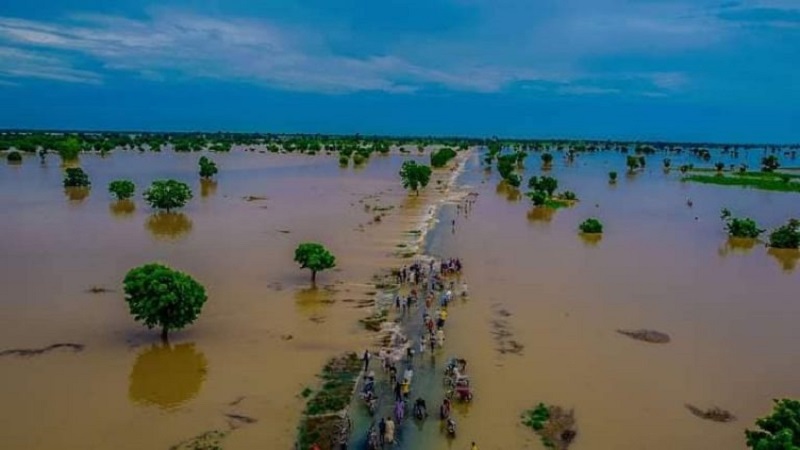
The frequency and intensity of floods in Nigeria have been escalating alarmingly in recent years, wreaking havoc on communities and livelihoods. Traditional food aid programs, while essential in the aftermath of disasters, are often insufficient to address the long-term consequences of these catastrophic events. As climate change continues to fuel extreme weather patterns, the need for innovative and sustainable solutions has become more urgent than ever. Could artificial intelligence (AI) offer a lifeline to Nigerians facing the devastating impacts of floods?
The Growing Threat of Floods in Nigeria
Nigeria, a country with a vast and diverse geography, is particularly vulnerable to flooding. Heavy rainfall, coupled with factors such as deforestation, poor urban planning, and climate change, have contributed to a significant increase in flood-related incidents. These floods can have devastating consequences, including loss of life, displacement of populations, destruction of infrastructure, and damage to agricultural land.
The 2022 floods in Nigeria were particularly severe, affecting millions of people and causing widespread damage. The floods inundated vast areas of the country, leading to food shortages, waterborne diseases, and displacement of communities. The aftermath of these floods highlighted the urgent need for effective flood management strategies and disaster relief efforts.
The Limitations of Traditional Food Aid
While food aid programs play a crucial role in providing immediate relief to flood-affected populations, they often fall short of addressing the long-term consequences of disasters. Food aid can be unsustainable and can create dependency, hindering the ability of communities to recover and rebuild. Moreover, traditional food aid programs may not adequately address the diverse needs of affected populations, such as access to clean water, healthcare, and education.
The Potential of AI in Flood Management
AI has the potential to revolutionize flood management and disaster response in Nigeria. By leveraging advanced technologies such as satellite imagery, machine learning, and data analytics, AI can provide valuable insights into flood risk assessment, early warning systems, and disaster response planning.
Early Warning Systems
AI-powered early warning systems can help to predict and mitigate the impacts of floods. By analyzing data from weather stations, satellite imagery, and historical flood patterns, AI algorithms can identify potential flood-prone areas and provide timely alerts to communities at risk. This can enable people to evacuate safely and take preventive measures to protect their property.
Flood Risk Assessment
AI can be used to assess flood risk and identify vulnerable areas. By analyzing factors such as topography, land use, and climate data, AI models can create detailed flood maps that can inform urban planning, infrastructure development, and disaster response strategies.
Disaster Response and Relief
AI can also play a crucial role in disaster response and relief efforts. AI-powered drones can be used to survey flood-affected areas, assess damage, and identify areas in need of urgent assistance. AI can also be used to optimize the distribution of aid and resources, ensuring that they reach those who need them most.
AI-Powered Sustainable Agriculture
Floods can have a devastating impact on agriculture, leading to crop losses and food insecurity. AI can help farmers to adapt to changing climate conditions and mitigate the impacts of floods. AI-powered precision agriculture techniques can optimize water usage, improve soil health, and enhance crop resilience.
Challenges and Opportunities
While AI offers significant potential for flood management and disaster response in Nigeria, there are also challenges to be addressed. One of the main challenges is the availability of high-quality data. To fully leverage the power of AI, it is essential to have access to reliable and comprehensive data on weather patterns, land use, and flood history.
Another challenge is the digital divide. Many rural communities in Nigeria lack access to internet connectivity and digital devices, which can hinder their ability to benefit from AI-powered solutions. Addressing the digital divide is essential for ensuring that AI benefits all segments of the population.
Despite these challenges, the opportunities presented by AI are immense. By investing in AI research and development, Nigeria can build a more resilient and sustainable future. AI can help to protect lives, livelihoods, and infrastructure from the devastating impacts of floods, while also promoting sustainable development and economic growth.
Conclusion
As the frequency and intensity of floods in Nigeria continue to increase, there is an urgent need for innovative and effective solutions. AI offers a promising avenue for addressing the challenges posed by floods. By leveraging the power of AI, Nigeria can develop early warning systems, improve flood risk assessment, enhance disaster response, and promote sustainable agriculture. While there are challenges to be overcome, the potential benefits of AI are significant. By investing in AI research and development, Nigeria can build a more resilient and sustainable future for its people.