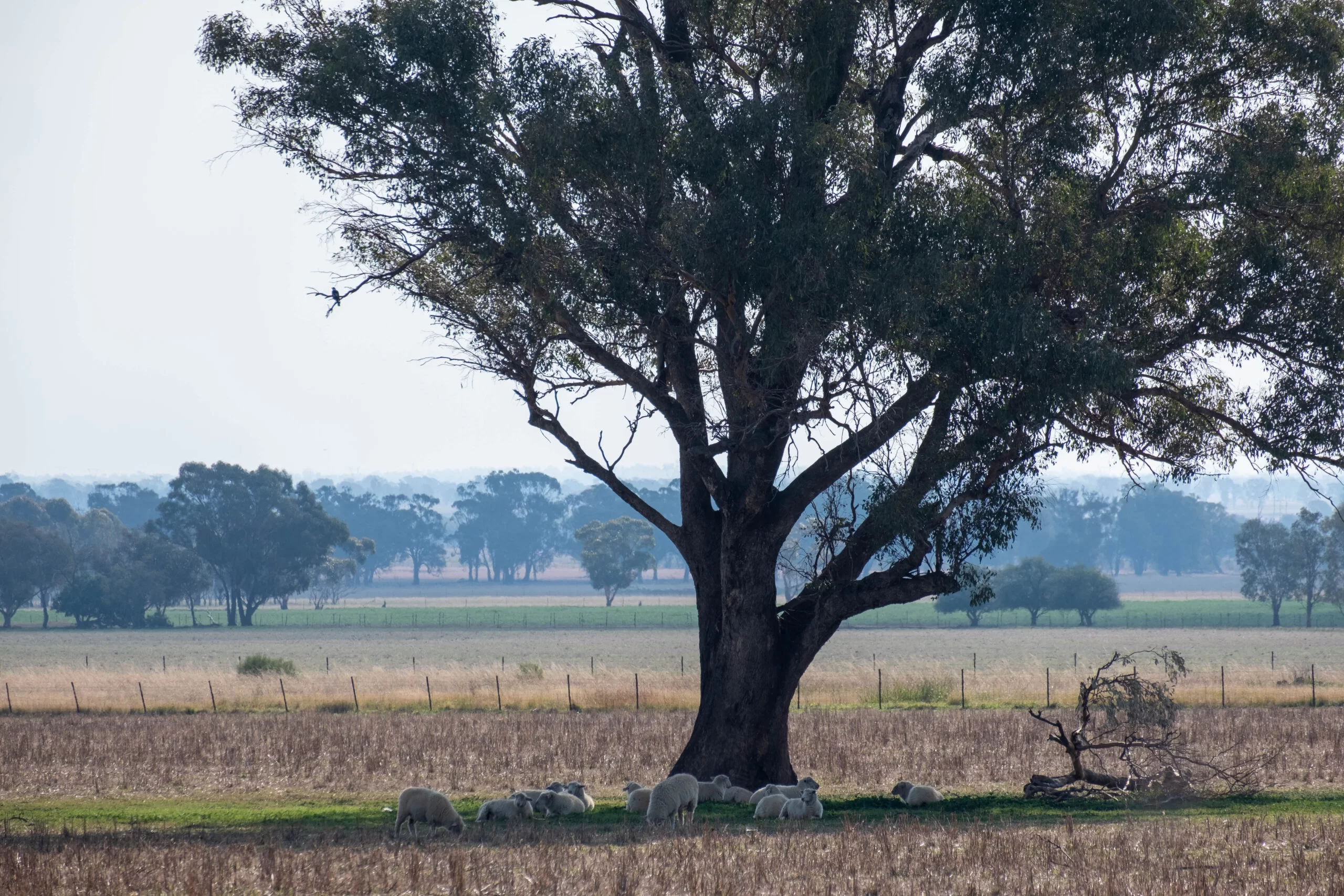
In a significant effort to balance agricultural productivity with environmental sustainability, a dedicated conservationist is working closely with farmers to protect “paddock trees” and restore degraded land. These efforts not only support biodiversity but also help maintain the health of farmland, ensuring that both nature and agriculture can thrive together.
The Importance of Paddock Trees
Paddock trees, the solitary trees often found scattered across farmland, play a crucial role in maintaining the ecological balance of agricultural landscapes. These trees provide habitat for wildlife, including birds, insects, and small mammals, which contribute to pest control and pollination. Additionally, paddock trees help prevent soil erosion, improve water infiltration, and enhance the overall fertility of the soil.
However, paddock trees are increasingly under threat due to agricultural expansion, land clearing, and aging. Many of these trees are not being replaced at the rate they are lost, leading to concerns about the long-term sustainability of farmland and the ecosystems they support.
The Conservationist’s Approach
The conservationist leading this initiative is focused on educating farmers about the ecological and economic benefits of paddock trees. By working collaboratively with farmers, they are developing strategies to protect existing trees and encourage the planting of new ones.
One key aspect of the conservationist’s approach is the implementation of “tree belts” or “shelterbelts.” These are strips of native vegetation, including trees and shrubs, planted along the edges of paddocks or within fields. Tree belts provide windbreaks, reduce soil erosion, and create corridors for wildlife, all while improving the aesthetic and ecological value of the land.
In addition to tree belts, the conservationist is promoting agroforestry practices, which integrate trees and shrubs into agricultural systems. Agroforestry not only enhances biodiversity but also improves crop yields and livestock productivity by creating more resilient and sustainable farming environments.
Restoring Degraded Land
Beyond protecting paddock trees, the conservationist is also heavily involved in land restoration projects aimed at rehabilitating degraded farmland. This includes reintroducing native vegetation, managing invasive species, and improving soil health through techniques like cover cropping and reduced tillage.
These restoration efforts are designed to reverse the negative impacts of intensive farming practices that have led to soil degradation, loss of biodiversity, and decreased land productivity. By restoring the natural functions of the land, farmers can achieve more sustainable long-term yields while contributing to the conservation of local ecosystems.
Benefits for Farmers and the Environment
The conservationist’s work has demonstrated that protecting paddock trees and restoring degraded land offers significant benefits for both farmers and the environment. Healthy paddock trees and well-managed landscapes lead to improved soil fertility, better water retention, and reduced reliance on chemical inputs, all of which can boost farm profitability.
Moreover, by enhancing biodiversity on their land, farmers can create more resilient ecosystems that are better equipped to handle pests, diseases, and the impacts of climate change. This not only supports sustainable farming practices but also contributes to broader conservation goals, such as preserving native species and maintaining healthy ecosystems.
Community Involvement and Support
The success of these conservation efforts is largely due to the strong partnerships formed between the conservationist, farmers, local communities, and environmental organizations. By fostering a collaborative approach, these stakeholders are able to share knowledge, resources, and best practices, ensuring that conservation and agricultural goals are aligned.
Community involvement is also crucial for the long-term sustainability of these projects. By engaging local schools, volunteers, and landowners in tree planting and restoration activities, the conservationist is helping to build a sense of stewardship and pride in the preservation of the natural landscape.
Conclusion: A Model for Sustainable Agriculture
The work of this conservationist in helping farmers protect paddock trees and restore degraded land serves as a model for sustainable agriculture. By integrating conservation practices into farming, it is possible to achieve a balance that benefits both the environment and agricultural productivity. This approach not only helps to preserve vital ecosystems but also ensures that farmland remains productive and resilient for future generations.