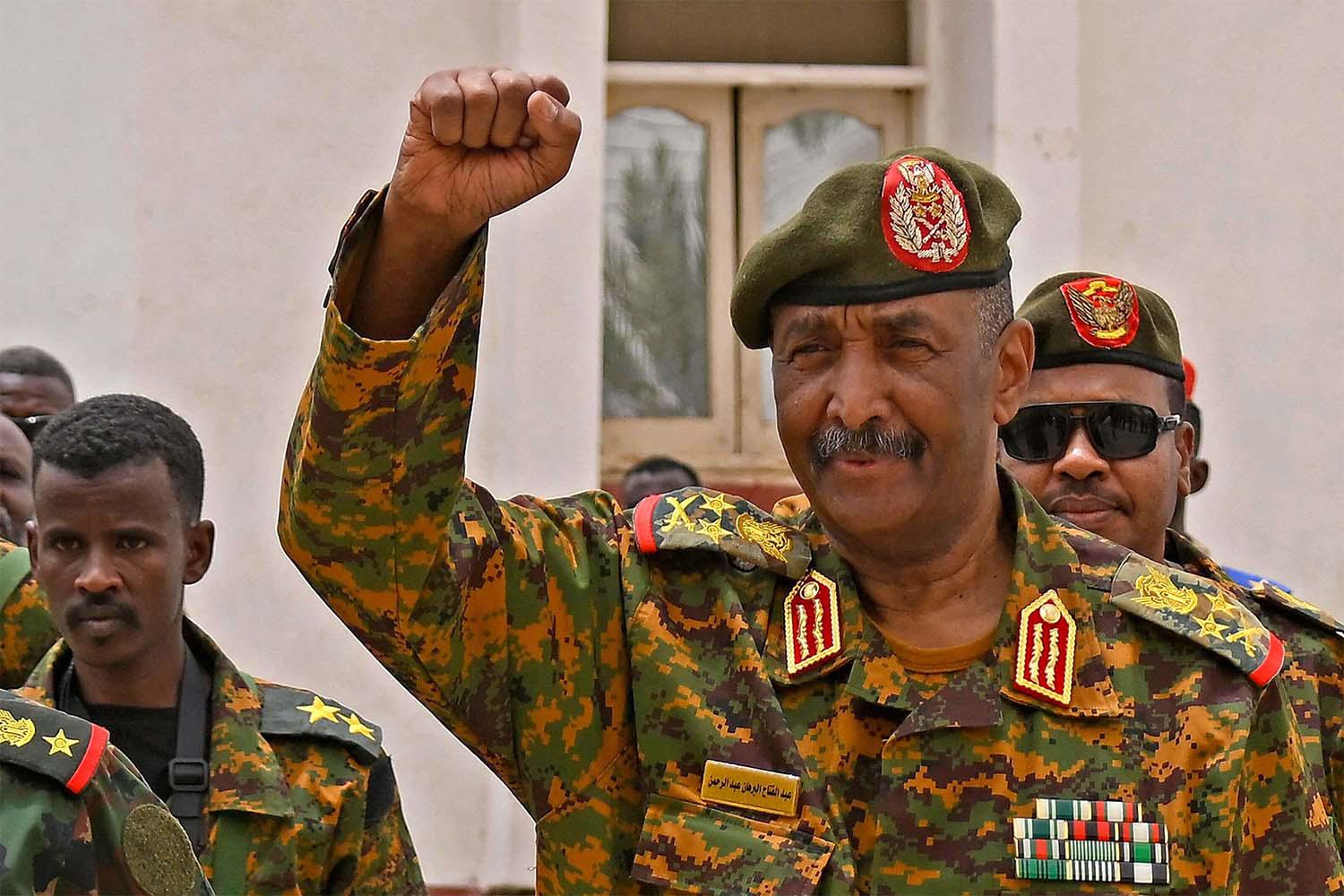
The Sudanese army chief has publicly criticized the recent Geneva talks aimed at resolving the ongoing conflict in Sudan, vowing instead to continue the military campaign against the Rapid Support Forces (RSF). The statement underscores the deep divisions and ongoing violence that have plagued the country, raising concerns about the prospects for peace.
The Geneva Talks: A Missed Opportunity?
The Geneva talks, facilitated by international mediators, were intended to bring Sudan’s warring factions to the negotiating table in hopes of achieving a ceasefire and initiating peace talks. However, the Sudanese army chief’s harsh criticism of the discussions suggests a widening gap between the government forces and the RSF.
The army chief accused the talks of being biased and ineffective, claiming that they failed to address the core issues fueling the conflict. He argued that any negotiations that do not recognize the government’s authority and its fight against the RSF are doomed to fail. The chief’s statements reflect a broader skepticism within the military leadership regarding international mediation efforts, which they view as out of touch with the realities on the ground.
Ongoing Conflict with the RSF
The conflict between the Sudanese Armed Forces (SAF) and the RSF has been a major source of instability in Sudan. The RSF, originally formed from the Janjaweed militia, has grown into a powerful paramilitary group with significant influence in the country. Tensions between the SAF and RSF escalated into open conflict, leading to widespread violence and humanitarian crises across Sudan.
Despite international calls for a ceasefire, the army chief’s vow to continue fighting indicates that the military sees a complete military victory over the RSF as the only viable solution. This stance suggests that the conflict is likely to persist, with devastating consequences for civilians caught in the crossfire.
Humanitarian Concerns
The ongoing conflict has had a catastrophic impact on the civilian population. Hundreds of thousands have been displaced, with many more in desperate need of food, water, and medical supplies. The international community has expressed deep concern over the humanitarian crisis, urging both sides to cease hostilities and allow for the delivery of aid.
However, the army chief’s rejection of the Geneva talks raises doubts about the likelihood of any immediate improvement in the situation. Without a ceasefire, humanitarian access remains severely limited, exacerbating the suffering of those affected by the conflict.
International Reaction
The international community has reacted with alarm to the Sudanese army chief’s remarks. Diplomats and humanitarian organizations have expressed frustration over the lack of progress in peace negotiations and the continued violence. The United Nations and other international bodies have called for renewed efforts to bring the parties back to the negotiating table, emphasizing that a military solution will only prolong the suffering and instability in Sudan.
However, with the army chief’s firm stance, it appears that diplomatic efforts will face significant challenges. The situation in Sudan remains highly volatile, with the potential for further escalation as both sides continue to prepare for more intense confrontations.
The Path Forward
As the conflict drags on, the path to peace in Sudan appears increasingly uncertain. The army chief’s commitment to continuing the fight against the RSF suggests that the military is prepared for a prolonged conflict, which could have far-reaching consequences for the region.
For now, the international community’s ability to mediate the conflict seems limited, with both sides showing little willingness to compromise. The ongoing violence underscores the need for a more concerted effort to address the root causes of the conflict and to find a sustainable solution that can bring lasting peace to Sudan.
Conclusion: A Nation in Crisis
Sudan stands at a critical juncture, with the army chief’s rejection of the Geneva talks signaling a potential deepening of the conflict. As the fighting continues, the prospects for peace remain bleak, and the suffering of the Sudanese people is likely to intensify. The international community faces a daunting challenge in persuading the warring factions to lay down their arms and engage in meaningful dialogue.